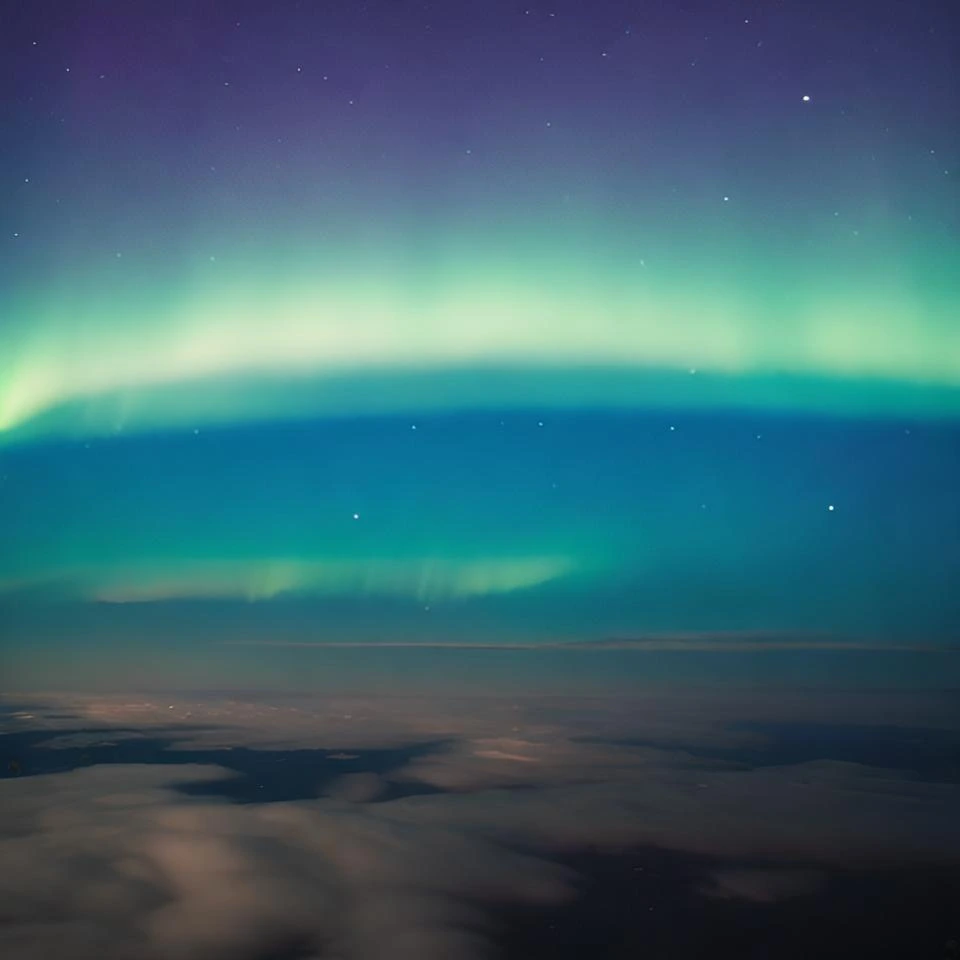
Space weather refers to the constantly evolving conditions in Earth’s outer environment, driven primarily by solar activity. While invisible to most of us, space weather has very real effects—from satellite failures to power grid disturbances.
As society becomes increasingly reliant on space-based infrastructure and global connectivity, predicting and preparing for solar activity is no longer optional—it’s essential.
At the center of space weather is the Sun. Its activity follows an 11-year cycle, swinging between quiet and volatile periods. During solar maximum, the Sun produces more sunspots, flares, and ejections—raising the risk of disruptive events.
Solar flares release sudden bursts of radiation that can degrade radio signals and GPS precision. Coronal Mass Ejections (CMEs) hurl vast clouds of charged particles toward Earth, disturbing our magnetic field and triggering geomagnetic storms.
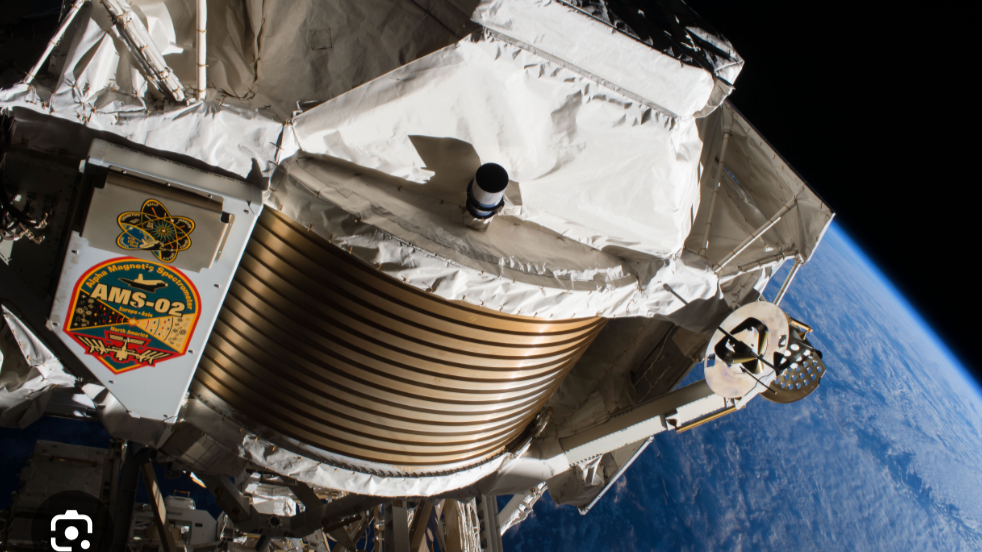
Even during calmer phases, the solar wind—a constant stream of particles—interacts with our magnetosphere, sometimes subtly, sometimes violently. On top of that, cosmic rays from deep space and solar particle events can penetrate spacecraft shielding and raise radiation risks for astronauts.
The consequences of these solar phenomena are wide-ranging. High-energy particles and electromagnetic disturbances can damage satellite electronics, reduce the efficiency of solar panels in orbit, and interfere with communication systems. On Earth, geomagnetically induced currents (GICs) can overload transformers and threaten entire power grids.
Commercial aviation, especially polar flights, is affected too. Solar storms can disrupt high-frequency radio communications and increase radiation exposure for flight crews. Even GPS systems—critical to everything from farming to navigation—can suffer from reduced accuracy during space weather events.
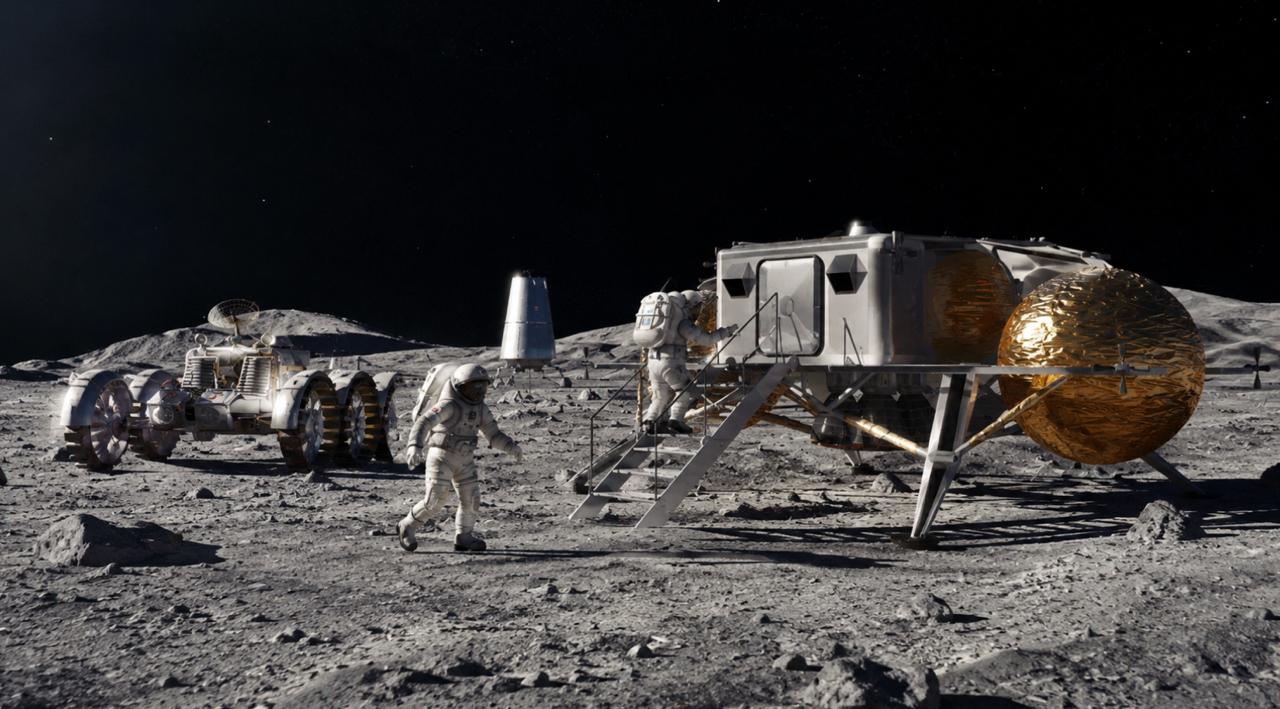
And then there’s the human element. While auroras are one of the more visible and benign effects, space weather also poses risks to astronaut health and future missions beyond low Earth orbit.
Despite significant advances, forecasting space weather is still unreliable. The space between the Sun and Earth is a turbulent environment. As CMEs and solar wind streams move through it, they interact with each other and with the heliospheric current sheet in complex, nonlinear ways. Predicting how these events will evolve—and how they will impact Earth—remains one of the most difficult challenges in heliophysics.
The problem isn’t just complexity; it’s also visibility. We rely on a small number of spacecraft to monitor solar wind conditions in real time. Gaps in observation mean models are often operating with partial data. Current forecasts typically provide less than 24 hours’ notice, and only a small fraction of impactful storms—roughly 7.5%—are accurately predicted.
New approaches are beginning to show promise. Spacecraft at the Lagrange Point L1, such as ACE and DSCOVR, deliver vital real-time data 20 to 60 minutes before solar wind reaches Earth. Models like ENLIL simulate CME trajectories, but their accuracy is still limited by incomplete input.
Machine learning is opening up new possibilities. Recurrent Neural Networks (RNNs), trained on historical solar wind data and ultra-low frequency (ULF) wave activity, have already demonstrated significantly higher accuracy than traditional forecasting models.
These systems are also helping identify precursor signals—like shifts in magnetic field orientation or changes in solar wind density—that can serve as early warnings for geomagnetic storms.
Recent events underscore both the urgency and opportunity in space weather forecasting. In March 2024, a major geomagnetic storm caught NOAA off guard, while a model developed at Tel Aviv University provided accurate alerts hours in advance. Just a month earlier, NASA predicted an extreme event that never materialized—highlighting the consequences of both missed and false alarms.
To close the gap, we need a more robust infrastructure for space weather monitoring and prediction. That means launching more spacecraft to fill observational blind spots, building multi-parameter forecasting models that combine magnetic field, particle, and wave data, and creating industry-wide awareness around space weather risks.
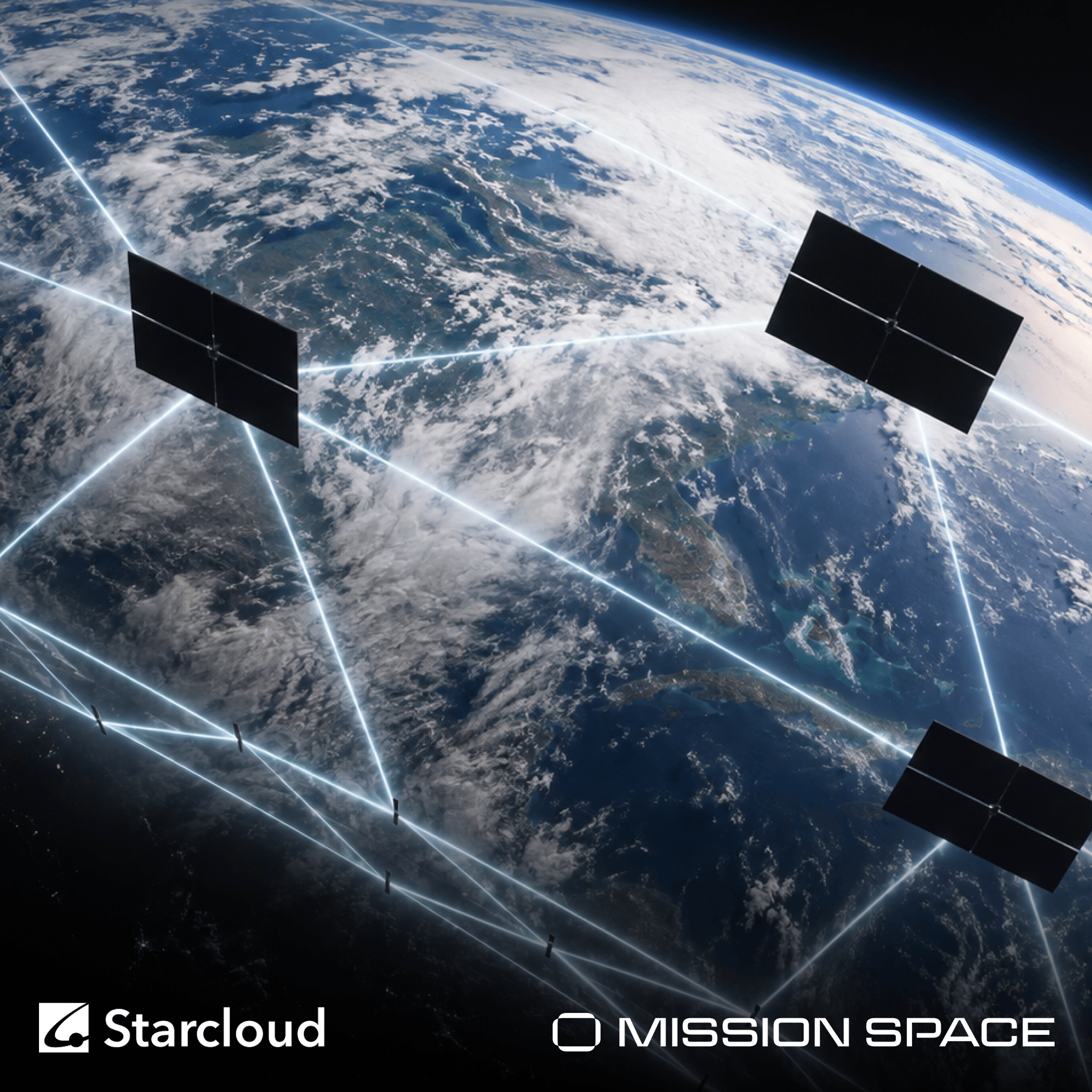
At Mission Space, we’re developing the tools to make this future a reality. Our satellite constellation is designed to deliver high-resolution, real-time, multi-point measurements. Combined with proprietary models, our system aims to move space weather forecasting from reactive to proactive—equipping industries, governments, and space operators with the visibility they need to act ahead of impact.
Space weather isn’t going away. But with the right investment in science, technology, and infrastructure, we can stay ahead of it.