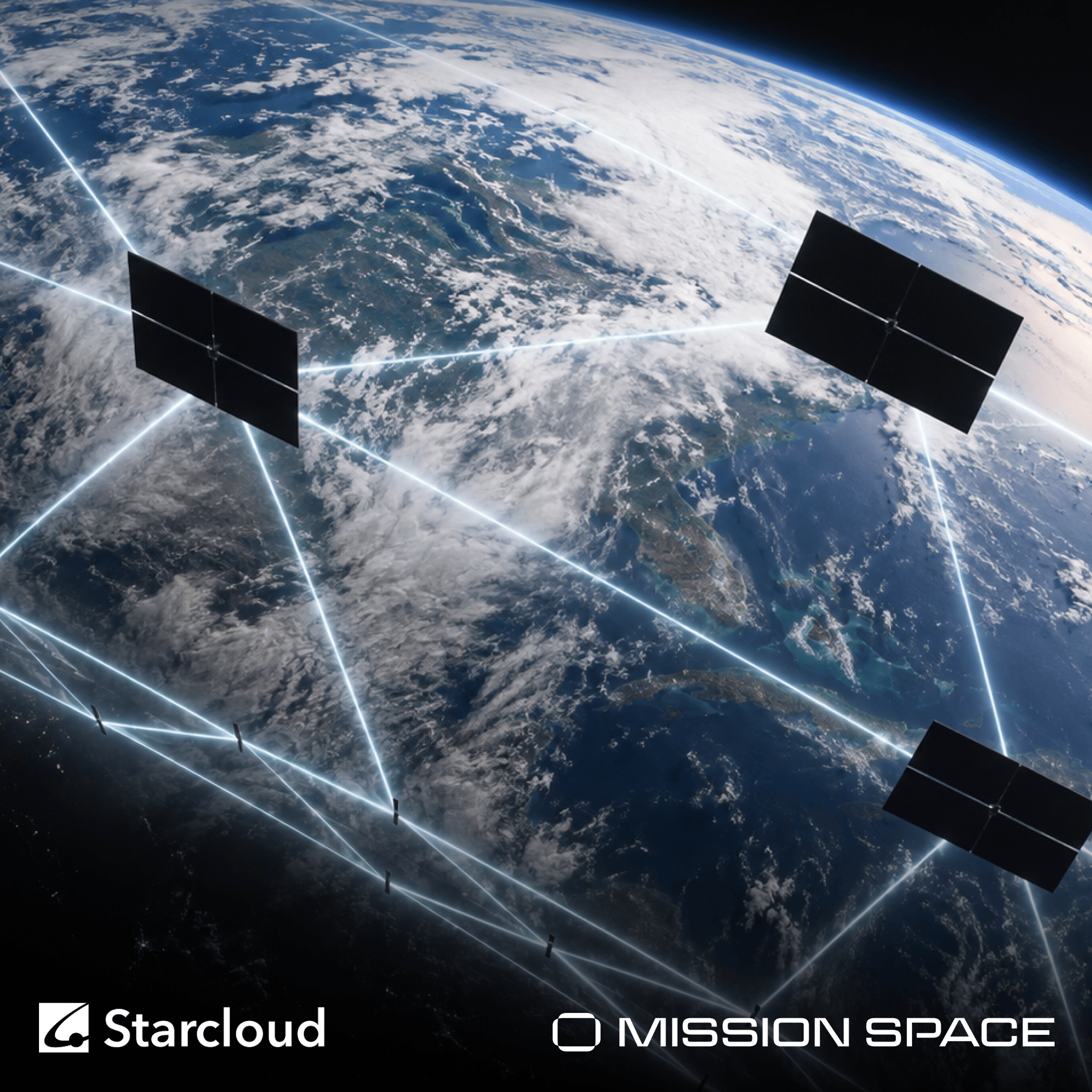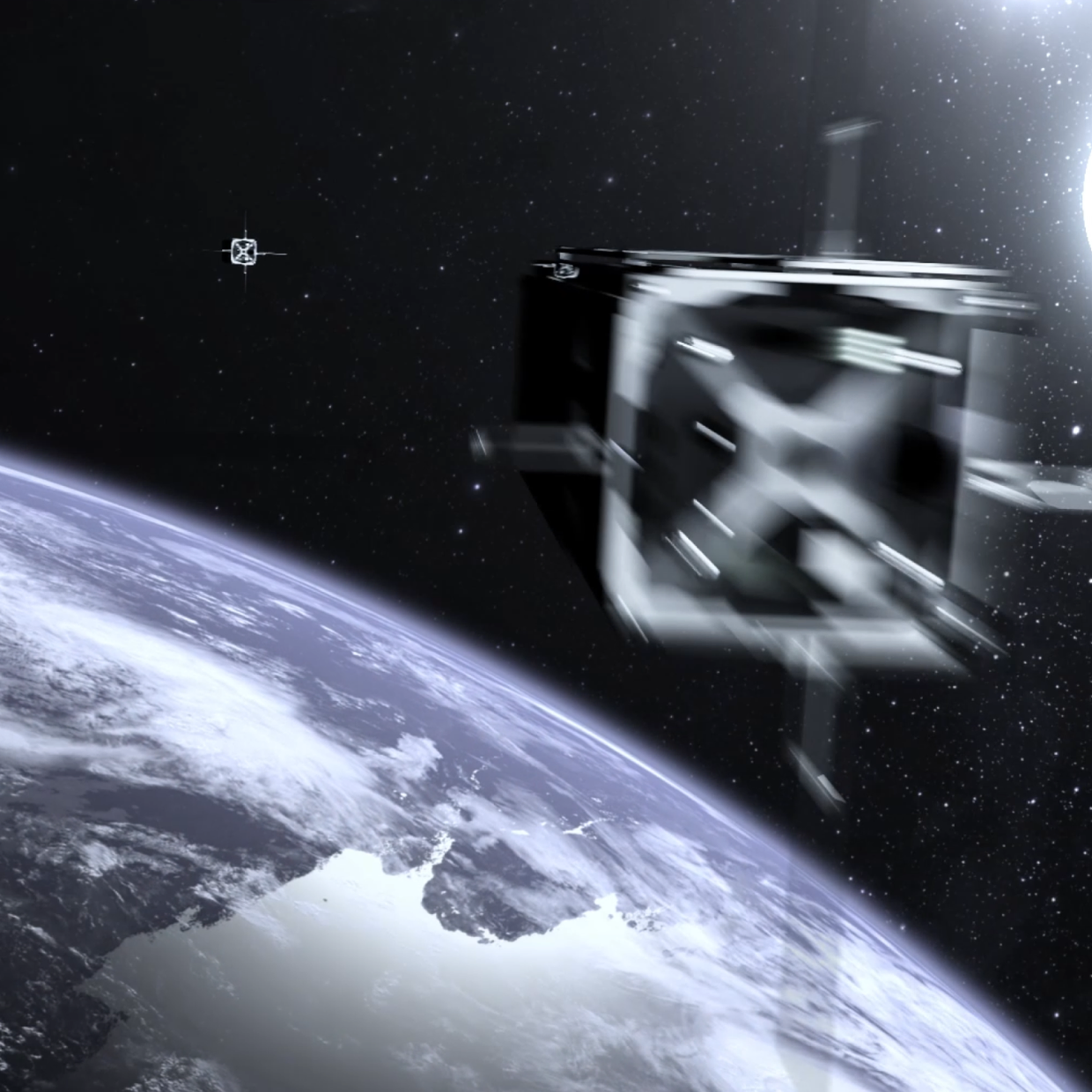
As the number of satellites in orbit grows exponentially—thanks to megaconstellations like SpaceX’s Starlink—satellite operators are facing increasing challenges in maintaining the safety and longevity of their spacecraft.
One of the biggest obstacles is the lack of accurate, timely space weather models, which are essential for predicting how solar events affect the density of Earth’s upper atmosphere and, consequently, satellite orbits. These models are crucial not only for collision avoidance but also for maximizing the operational life of satellites.
A prime example of the consequences of inaccurate space weather data came during the Gannon Storm in May 2024. While the storm is perhaps most famous for creating brilliant auroras at unusually low latitudes, it also caused a significant spike in atmospheric density, which directly impacted satellite orbits.
This disturbance made it extremely difficult to predict potential collisions, resulting in errors ranging from 1 to 1,000 kilometers within a single day.
As Dan Oltrogge from COMSPOC highlighted during the Space Weather Workshop in March 2025, such errors are unacceptable when human spaceflight safety requires accuracies within 100 to 200 meters. “We’re talking hundreds of kilometers of error that really invalidates doing spaceflight safety,” Oltrogge said.
These errors are not easily corrected. When satellites’ orbits shift due to unexpected atmospheric drag, tracking and recalculating their paths becomes increasingly difficult.
“Not only are you mismodeling the drag, you are not getting the observations to help you recover from that,” Oltrogge explained. This gap in predictive space weather models is a serious risk to both satellite operations and space safety in general.
The Gannon Storm also demonstrated the unintended consequences of having large constellations of satellites, such as SpaceX’s Starlink, in orbit. As atmospheric drag increased, thousands of Starlink satellites performed automated maneuvers to raise their orbits, an action that further complicated collision predictions.
William Parker of MIT emphasized that these maneuvers, which were not planned in advance, disrupted forecasts made just 12 to 24 hours earlier.
“When you have half of all the active satellites maneuvering at one time, you can basically throw all of that analysis out the window,” Parker said. He added that “satellite collision avoidance is really not very robust to geomagnetic storms” due to the lack of accurate data and the unpredictable nature of these maneuvers.
This points to a more critical issue: space weather predictions simply aren’t precise enough for satellite operators to rely on them for collision avoidance during storms. Parker’s comments underscore the necessity for collaboration between the space weather community and satellite operators to improve the accuracy of space weather forecasts and provide better information on the uncertainties inherent in those predictions.
Beyond collision risks, space weather can also significantly shorten satellite lifetimes. The increased atmospheric drag caused by solar activity in 2024 had this effect on Capella Space’s radar imaging satellites.
The company, which operates a constellation of satellites, found that higher-than-forecasted drag shortened the orbital lifetimes of its Whitney series satellites. Initially designed based on solar cycle predictions made in 2019, these forecasts did not account for increased solar activity, which caused atmospheric density to rise by a factor of two to three, shortening the satellites’ lifetimes by a similar amount.
Capella’s satellites, with their large deployable radar antennas, were particularly vulnerable. As Scott Shambaugh, a former senior engineer at Capella, explained, the projected lifetime of these satellites dropped from three years to just nine months, with six satellites reentering the atmosphere in 2023.
To address these challenges, Capella implemented several solutions, including launching satellites to higher orbits and redesigning propulsion systems to counteract the increased drag.
But these efforts came at a significant cost. “It was an enormous effort,” Shambaugh said, pointing out the gap between the space weather community and satellite operators. “Spacecraft engineers are not space weather experts,” he added, underscoring the need for more accurate, actionable space weather and atmospheric models.
Shambaugh has since founded Leonid Space to bridge this gap and help satellite operators better estimate satellite lifetimes with more precise space weather data. For instance, Leonid Space’s analysis showed that NASA’s TROPICS cubesats, which were expected to stay in orbit for up to nine years, would instead reenter the atmosphere much sooner.
This capability to provide more detailed, accurate predictions is essential for satellite operators looking to avoid costly surprises and maximize their spacecraft’s lifespan.
At Mission Space, we recognize the importance of closing the data gap in space weather forecasting. As the space industry continues to grow, improving the accuracy and timeliness of space weather models is no longer optional—it’s critical.
This is why we are committed to ensuring satellite operators have access to the most reliable data to avoid collisions, extend satellite lifetimes, and keep space operations safe.
By equipping operators with more accurate predictions and actionable insights, we can help prevent disruptions caused by solar storms and other space weather events, keeping satellites safe and operational for longer periods.