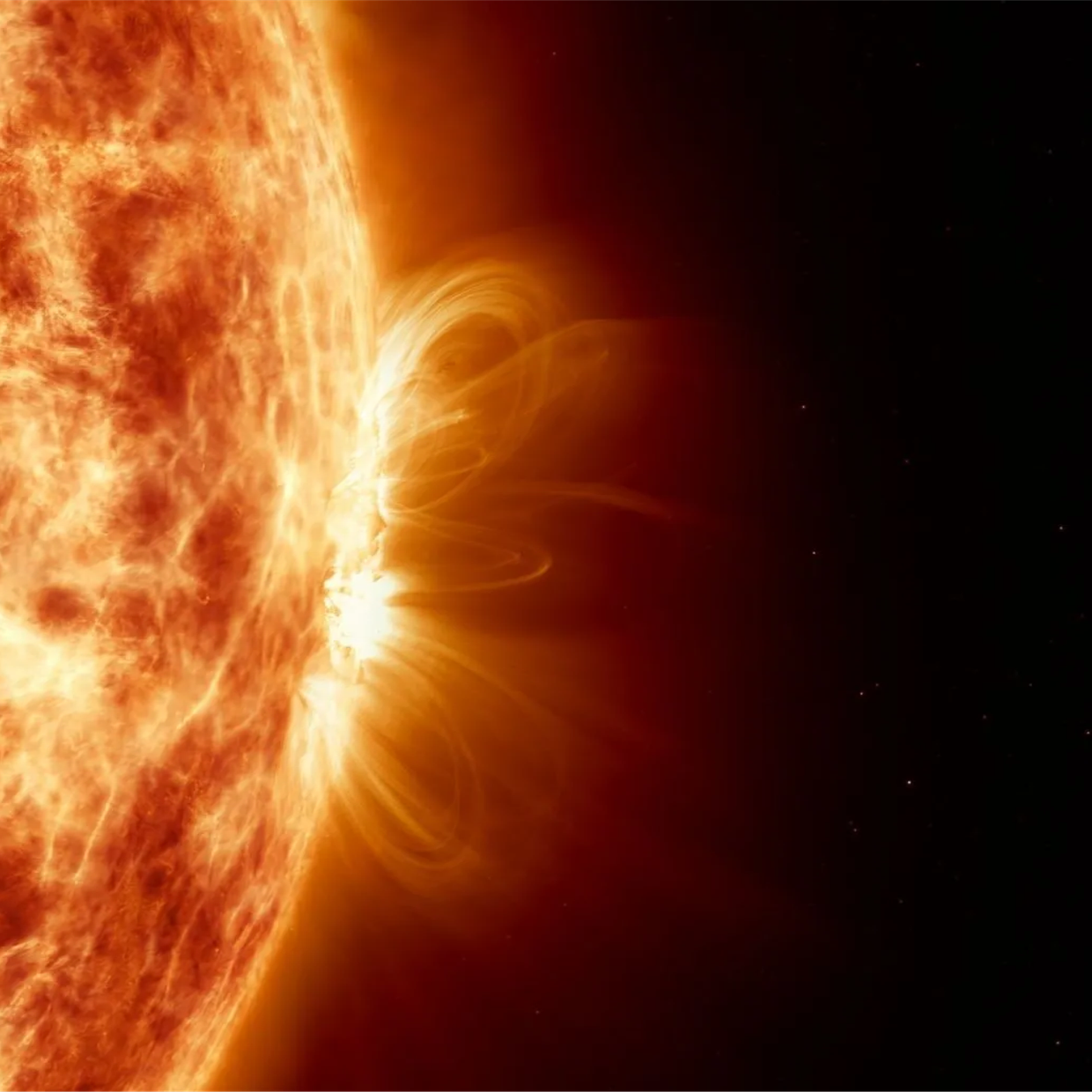
Space weather, often overlooked in discussions of national security, poses a significant and recurring threat to critical infrastructure, space-based assets, and human spaceflight missions.
As our reliance on technology grows, so does our vulnerability to the potentially devastating effects of severe space weather events.
Space weather phenomena, primarily driven by solar activity, can have far-reaching consequences on Earth and in space. These events include:
• Solar flares
• Coronal mass ejections (CMEs)
• Geomagnetic storms
• High-energy particle radiation
One of the most significant threats posed by severe space weather is to electrical power grids. Geomagnetic disturbances can induce currents in long conductors, potentially damaging transformers and causing widespread blackouts.
The consequences of such an event could be catastrophic, with cascading failures affecting water supply, healthcare, transportation, and other essential services.
Satellite communications and global navigation satellite systems (GNSS) are particularly vulnerable to space weather effects. Solar storms can disrupt GPS signals, affecting navigation systems used in shipping, aviation, and even precision agriculture. During the Gannon Storm in May 2024, GPS disruptions caused tractors to veer off-route, highlighting the real-world impact on critical industries.
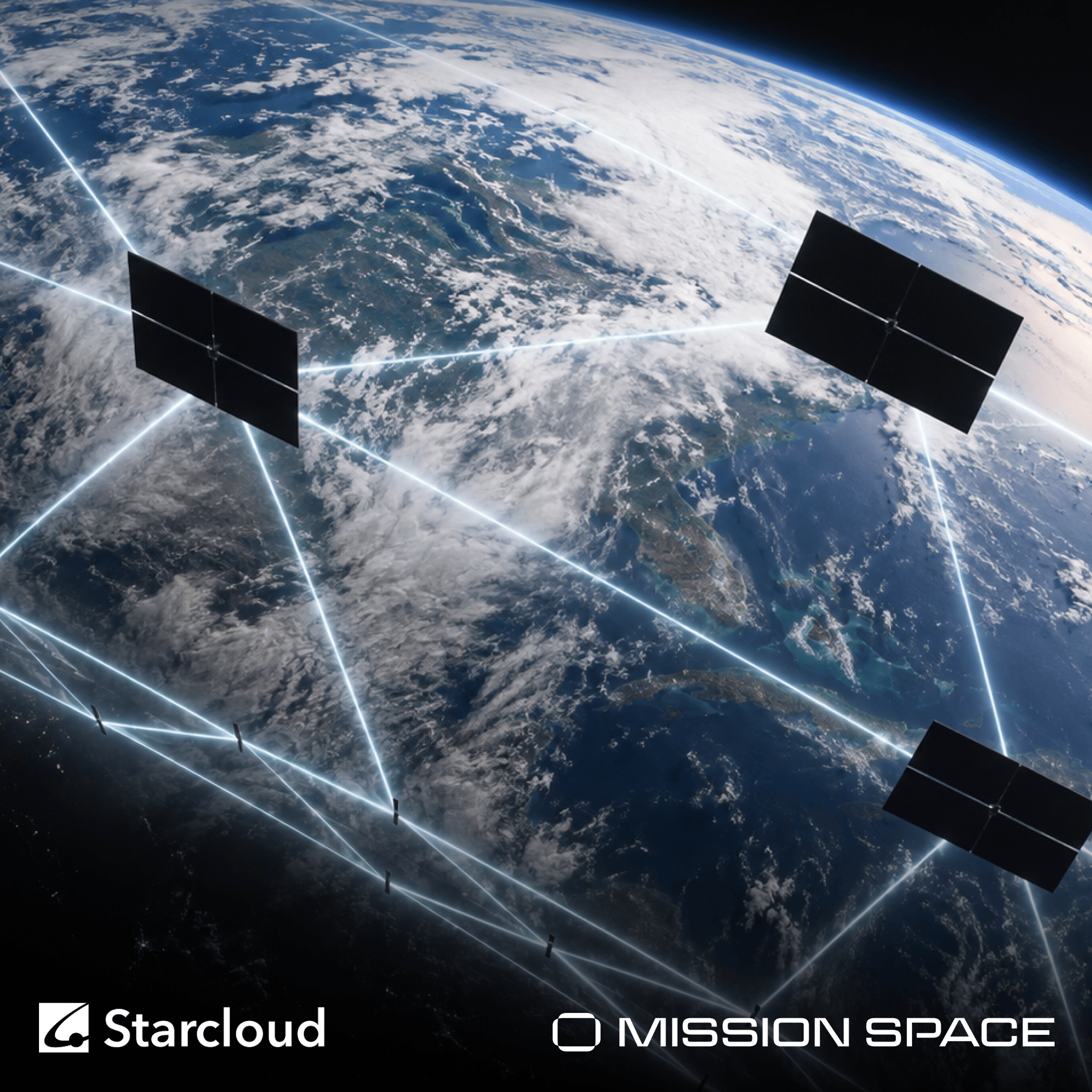
Satellites, which form the backbone of modern communication and Earth observation systems, face multiple threats from severe space weather:
1. Radiation Damage: High-energy particles can damage satellite electronics and solar panels.
2. Orbital Perturbations: Atmospheric expansion due to solar activity can increase drag on low-Earth orbit satellites, potentially altering their orbits.
3. Charging Effects: Spacecraft charging can lead to electrostatic discharges, damaging sensitive components.
The cumulative effects of a severe space weather event could potentially disable large portions of our satellite infrastructure, impacting everything from weather forecasting to global communications.
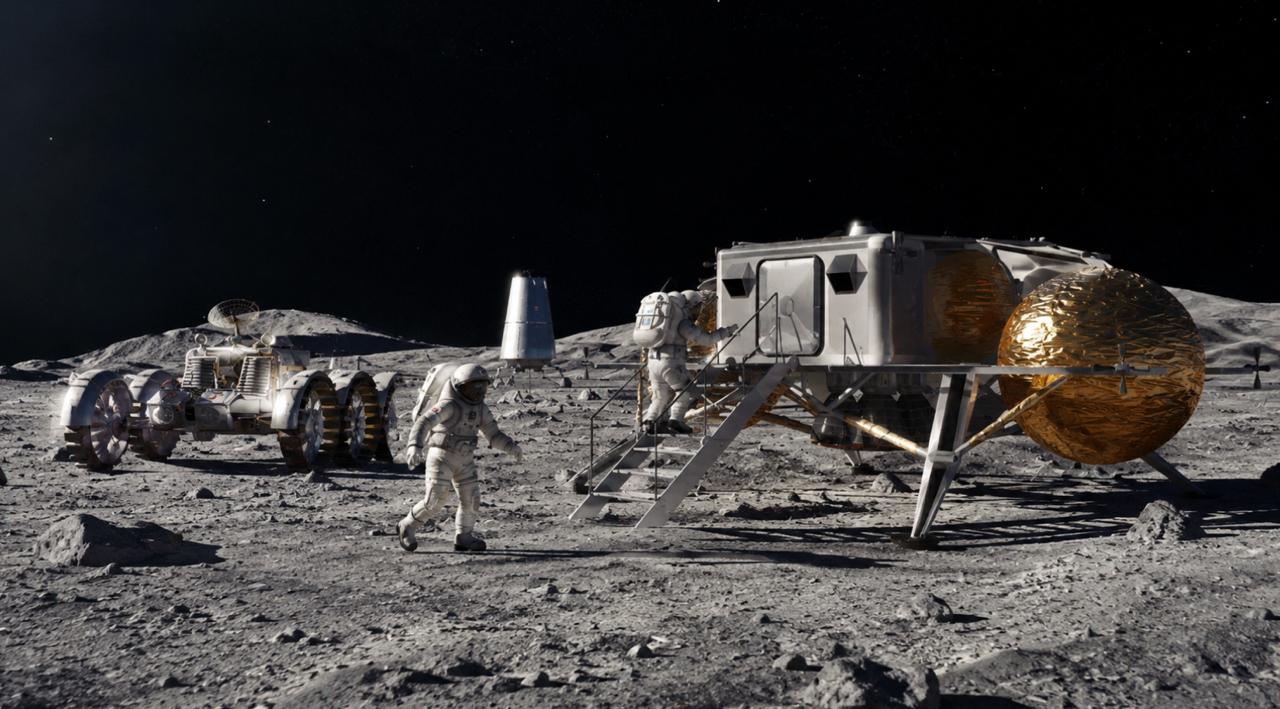
Astronauts and spacecraft beyond Earth's protective magnetosphere face increased radiation risks during solar storms. This poses challenges for long-duration missions, such as those planned for lunar and Martian exploration.
The potential economic impact of a severe space weather event is staggering. Disruptions to power grids, communications, and transportation could cost the global economy trillions of dollars. The insurance industry is increasingly recognizing space weather as a significant risk factor.
Addressing the threat of severe space weather requires a multi-faceted approach:
1. Enhanced Forecasting: Developing more accurate and timely space weather forecasts is crucial for enabling preventive measures.
2. Infrastructure Hardening: Critical systems must be designed and upgraded to withstand the effects of severe space weather.
3. Operational Procedures: Establishing clear protocols for responding to space weather threats across various sectors.
4. International Cooperation: Space weather is a global threat requiring coordinated international efforts.
Severe space weather is a growing risk to national security and global infrastructure, and Mission Space is stepping up to help. We provide real-time space weather intelligence, using satellite data and advanced forecasting tools to detect and predict solar storms, radiation spikes, and other cosmic events.
This data helps protect satellites, communication networks, and power grids from potential damage, while also supporting safer space missions. By turning complex space weather data into actionable insights, Mission Space makes it easier for governments, businesses, and researchers to stay ahead of disruptions and build more resilient systems.