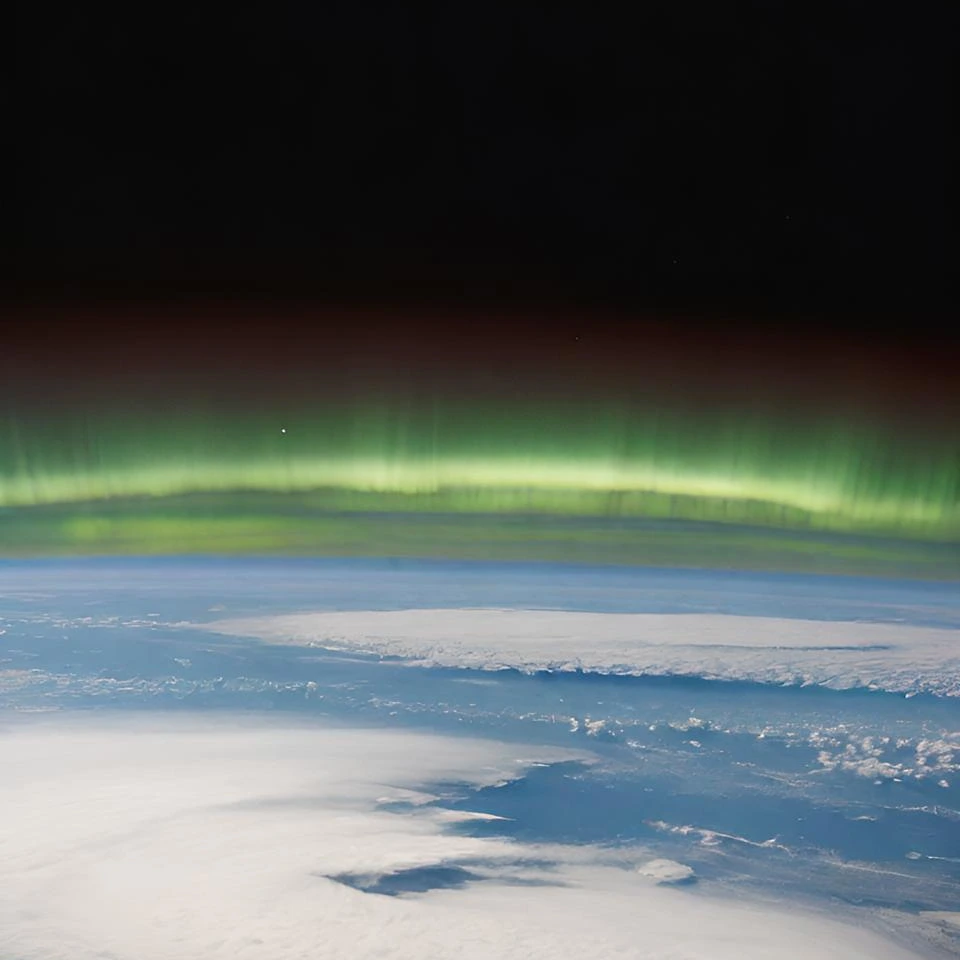
Space weather—the dynamic conditions in Earth’s outer space environment driven by solar activity—includes high-energy radiation and particle storms that can disrupt satellites, power grids, aviation, communications, and human spaceflight.
Accurate monitoring and forecasting rely on a growing suite of sophisticated instruments and computational models. Here’s a look at the latest advancements as of 2025.
• The GOES-R series, operated by NOAA, features multiple satellites in geosynchronous orbit, providing continuous monitoring of both terrestrial and space weather. GOES-18, the latest operational satellite, reached full instrument maturity in late 2023, enabling high-confidence data for forecasting.
• These satellites carry six suites of instruments, four dedicated to space weather. They monitor solar X-rays, energetic particles, and the Sun’s magnetic activity, providing early warning of solar flares, geomagnetic storms, and radiation hazards to satellites and astronauts.
• GOES-U, launched in 2024, introduces a coronagraph for direct observation of the Sun’s corona, enhancing detection of coronal mass ejections (CMEs).
• Scheduled for launch in Q3 2025, SWFO-L1 will be stationed at the L1 Lagrange point, about a million miles from Earth, providing an uninterrupted view of incoming solar wind and solar activity.
• Its key instrument, the Solar Wind Plasma Sensor (SWiPS), measures the velocity, density, and temperature of ions from the Sun, especially those associated with CMEs. This data is critical for predicting the severity of geomagnetic storms before they reach Earth.
• SWFO-L1 also includes a magnetometer to measure the interplanetary magnetic field, further improving advance warnings for space weather events.
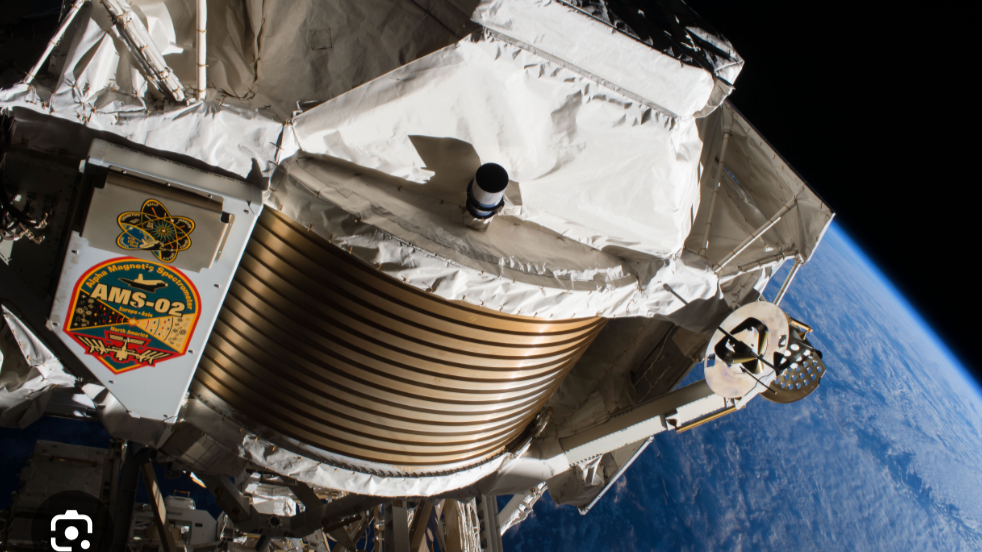
◦ The multi-Needle Langmuir Probe (m-NLP), operational on the Bartolomeo platform outside the International Space Station since 2023, measures plasma density with unprecedented resolution. Its continuous data stream is refining our understanding of plasma behavior in low Earth orbit and informing the design of future operational space weather instruments.
◦ Operational since 2024, this ground-based station measures the most powerful particles from space, providing vital data on cosmic rays and solar energetic particles, especially during the current solar maximum.
◦ Operational since 2024, this ground-based station measures the most powerful particles from space, providing vital data on cosmic rays and solar energetic particles, especially during the current solar maximum.
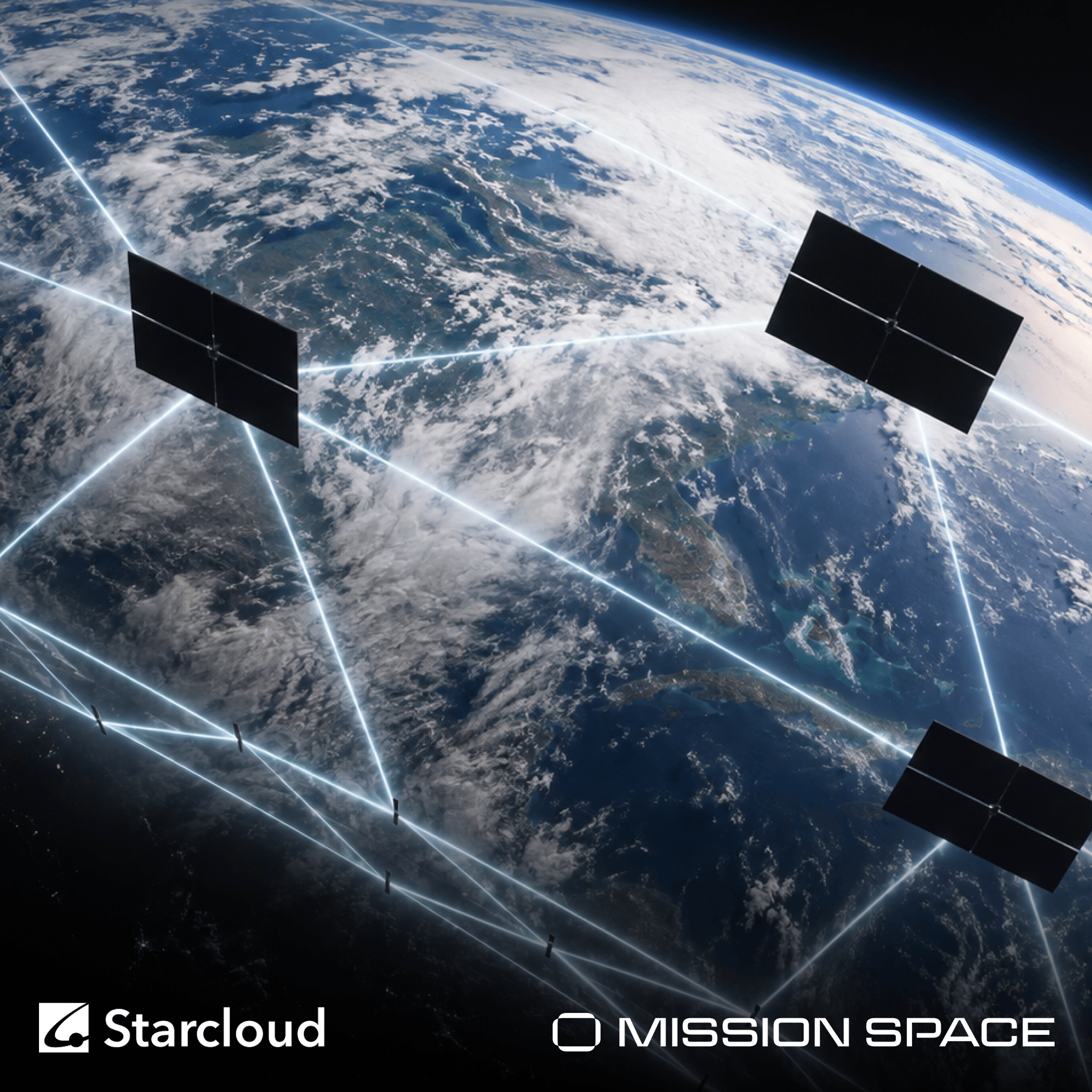
◦ A new player in the field, Mission Space is deploying a space-based radiation detection platform equipped with ZOHAR sensors. These miniaturized instruments specialize in high-resolution measurements of charged particles in low Earth orbit.
• PL-1 Series: Silicon spectrometers measuring electron energies from 0.1 to 10 MeV and proton energies up to 250 MeV. Variants (PL-1b, PL-1f, PL-1g) are optimized for different spacecraft geometries, including CubeSats.
• PL-2: A Cherenkov detector using crystal arrays and silicon photomultipliers to detect relativistic particles such as cosmic ray protons above 450 MeV.
• PL-3: A surface charge detector for monitoring spacecraft charging and total ionizing dose (TID), designed to be fully compatible with the PL-1 form factor.
Together, these instruments form compact sets tailored to different mission profiles—from minimal charge monitoring to full magnetospheric environment reconstruction.
The full-scale set (2 x PL-1f, 1 x PL-2, 1 x PL-3) enables real-time, multi-directional tracking of space radiation hazards with less than 2 kg of mass and under 2 W power consumption.
While instruments in orbit capture real-time data, it’s the models that translate that data into actionable forecasts. These computational systems simulate how solar activity evolves and interacts with Earth’s magnetosphere, atmosphere, and ionosphere.
The latest generation of models integrates live sensor input to deliver earlier warnings, more localized predictions, and fewer false alarms—critical improvements as our dependence on satellite infrastructure and high-altitude aviation grows.
• The Space Weather Prediction Center (SWPC) uses a variety of mathematical and physics-based models to interpret real-time data and forecast space weather. These include both “nowcast” models for current conditions and forecast models for future events.
• A significant recent upgrade is the coupled Whole Atmosphere Model and Ionosphere Plasmasphere Electrodynamics Model (WAM-IPE), which now provides predictions up to seven hours earlier by ingesting real-time solar wind data from satellites like DSCOVR.
• The latest WAM-IPE model also delivers new products, such as neutral-density forecasts for satellite orbit prediction and space situational awareness, and ionospheric products to help aviation and communication sectors manage potential disruptions.
• The European Space Agency (ESA) inaugurated the Space HPC supercomputer in March 2025, dramatically increasing the speed and complexity of space weather modeling.
• ESA’s Virtual Space Weather Modelling Centre (VSWMC) interconnects a wide range of models, from solar interior dynamics to CME propagation and their impacts on Earth’s environment.
• With the new HPC, models like EUHFORIA (tracking solar ejections) can run in minutes rather than hours, enabling near-real-time forecasting and rapid issuance of warnings to critical infrastructure operators.
Developed jointly by NOAA’s Space Weather Prediction Center (SWPC) and the UK Met Office, PyCAT is a modern, containerized tool that integrates data from multiple coronagraphs (SOHO, STEREO-A, CCOR, PUNCH, and the future VIGIL mission). Its interactive web-based interface accelerates CME detection and analysis for operational forecasters.
The SWx TREC platform is a standout in the research-to-operations pipeline:
• Space Weather Data Portal: Public access to diverse datasets, event tracking, and visualization tools for both researchers and educators.
• H3lioViz: Advanced 3D visualization of solar wind and CME propagation, addressing the limitations of traditional 2D displays.
• Model Staging Platform: A cloud-hosted, operational-like environment for rapid testing and deployment of new models and visualizations, reducing the lag between research advances and operational use.
• Deep Learning Laboratory: Application of AI and deep learning to detect spatio-temporal patterns in solar, heliospheric, and geospace data, improving nowcasting and forecasting accuracy.
• Integrating low-latency data from NASA’s SDO/EVE and GOES XRS, X-TOFF provides real-time solar flare duration forecasts. Its multi-instrument approach has improved both the timeliness and precision of flare predictions, directly supporting mission planning and observational campaigns.
◦ Mission Space’s proprietary forecasting engine is built around real-time data from ZOHAR sensors and a novel approach to detecting space weather precursors.
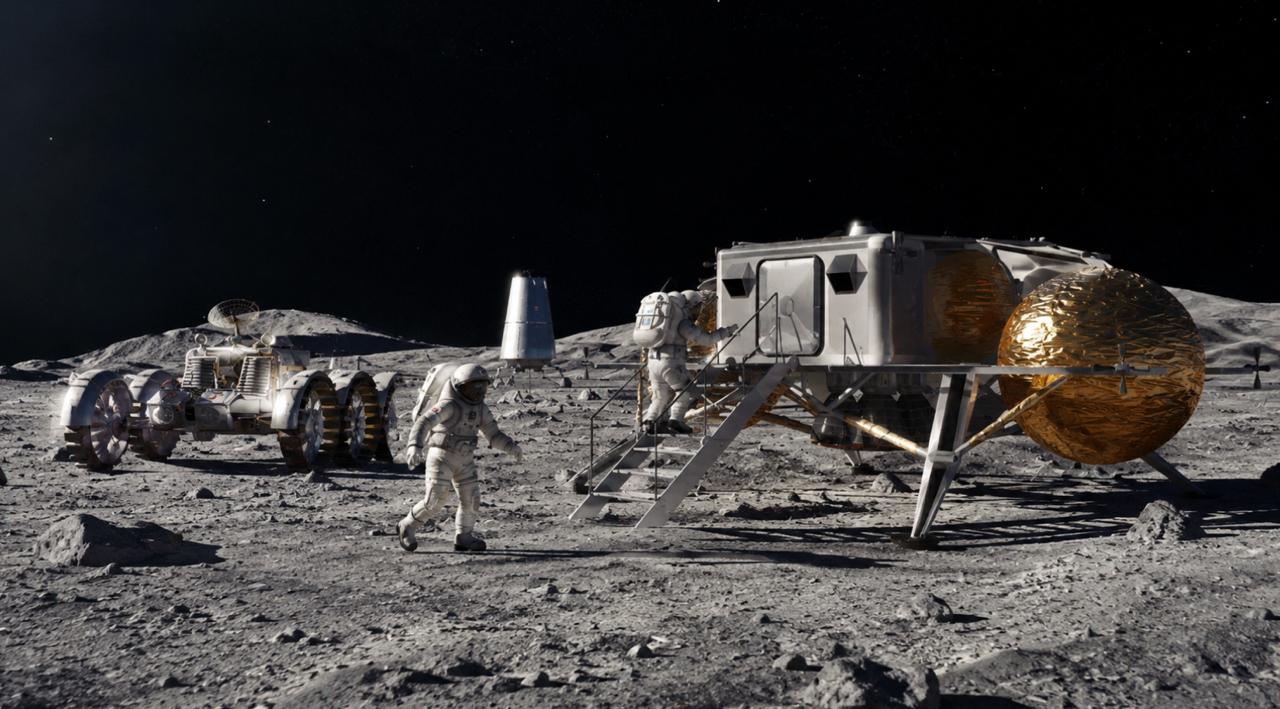
◦ By tracking pre-course particles—early signals of high-energy solar events—the model identifies subtle shifts in radiation and particle dynamics before major disturbances occur. This allows for earlier, more precise warnings, significantly reducing false alarms and increasing the operational value of alerts for satellite operators, airlines, power grid controllers, and moon rovers.
Space weather forecasting is advancing rapidly, driven by new satellite instruments, real-time data integration, and powerful computational models.
The combination of continuous monitoring is improving the accuracy and lead time of forecasts, helping to mitigate risks to satellites, navigation, communications, and power grids worldwide.
As solar activity continues to increase with Solar Cycle 25, these tools will be essential for safeguarding our increasingly technology-dependent society.